

Our Worst Enemy
Meet the Anthrenus Museum Beetle.
This particular insect is a major concern for insect collection curators and administrators
because if left unchecked, it is capable of totally destroying valuable entomological
collections within a relatively short period of time. It is found worldwide and is often
seen on window sills inside homes where it actively feeds on dead insects.
It measures only 2.0 mm in length.
 A member of the Entomological Collections Network contacted us recently regarding how we can use our existing MS Access Database with a web based interface. Many people advised us to use other, more sofisticated software applications such as Specify 6 or 7, however we decided that that option was far too much overkill for our needs.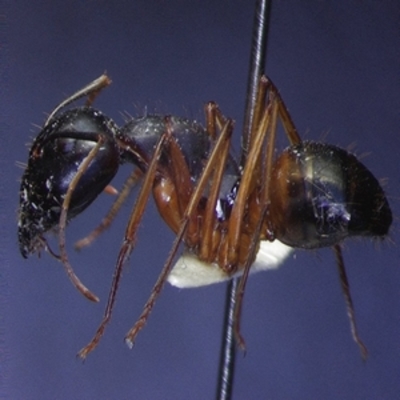
 After working with our ant collections since early April this year, we are starting to really get to know them well!